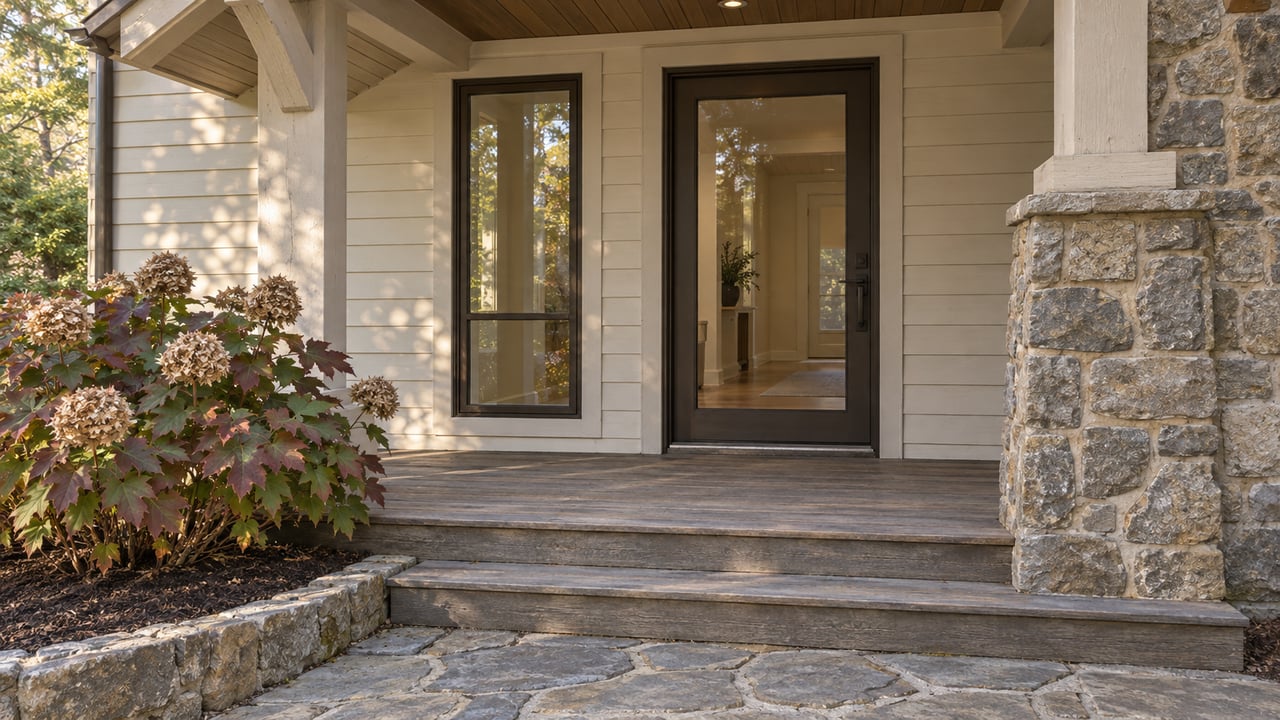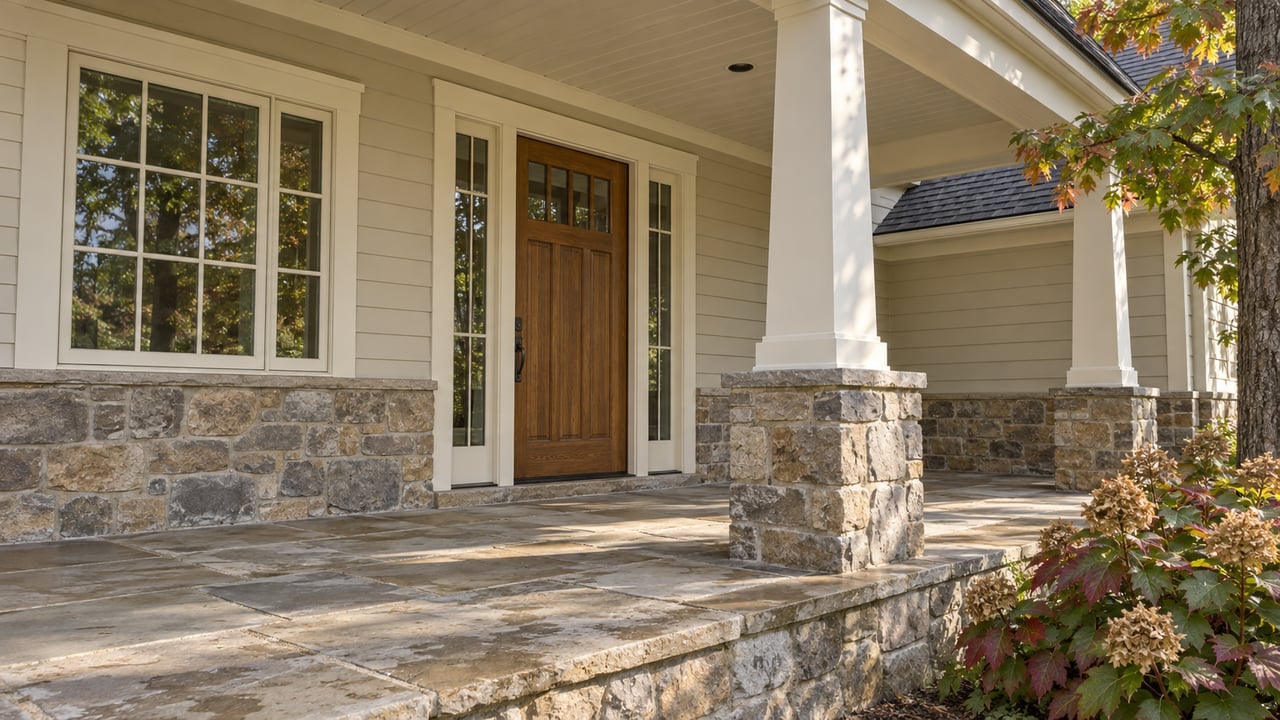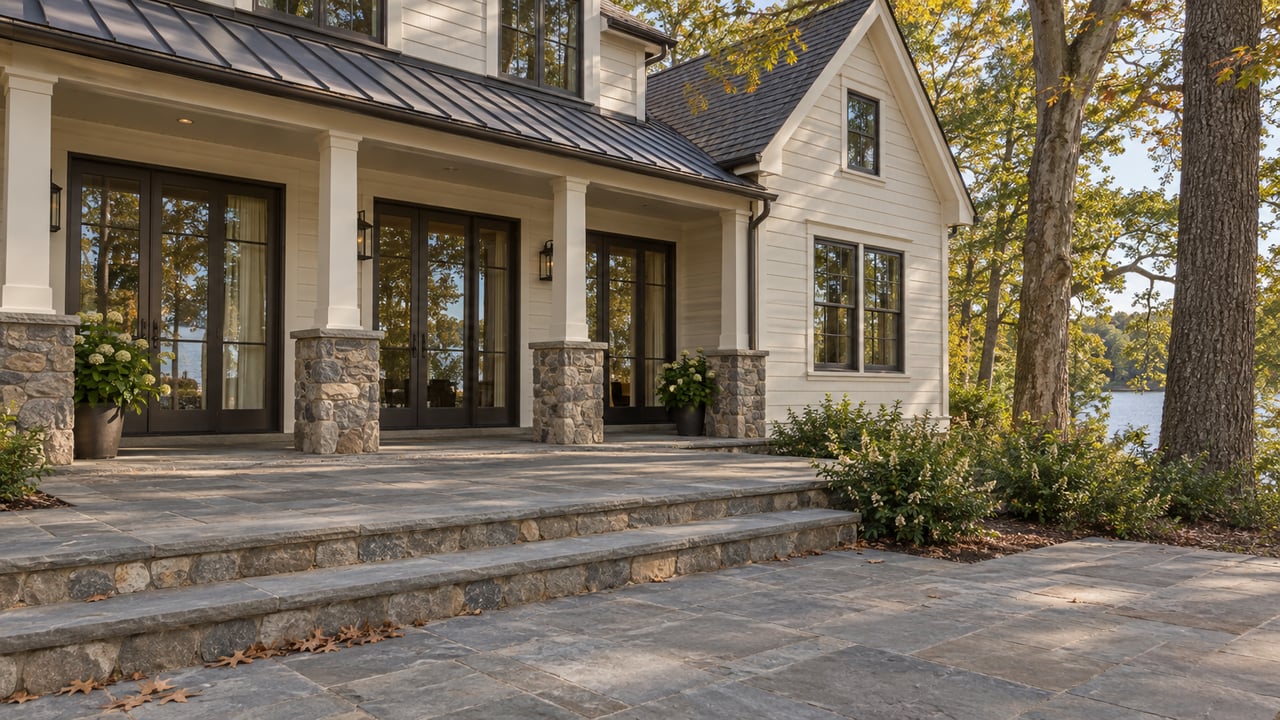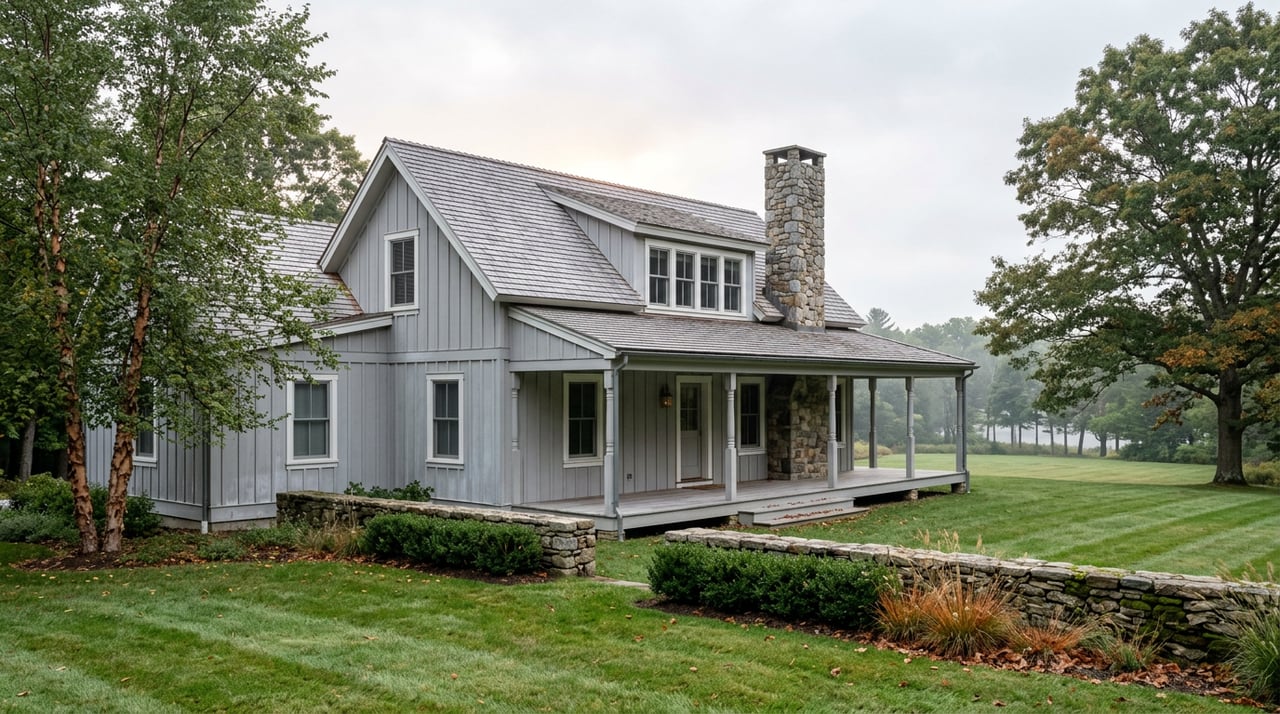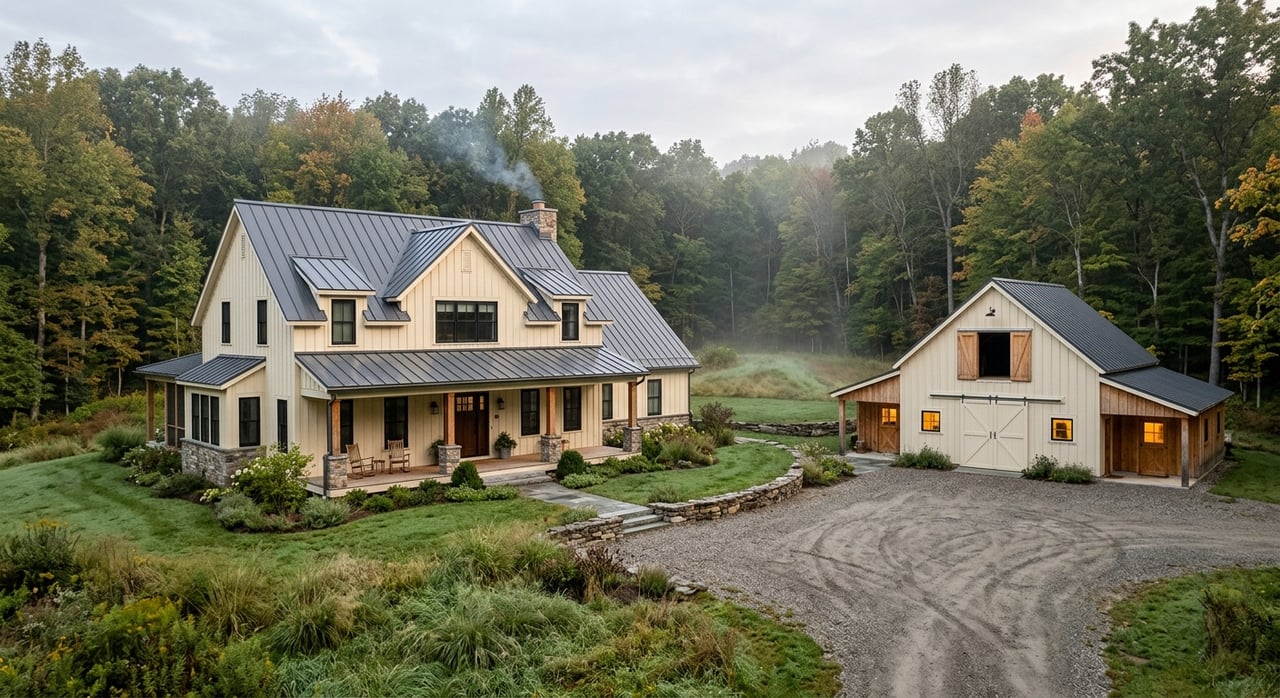
Dreaming of a place where you can spread out, keep a few animals, grow a garden, or enjoy quiet mornings near the lake? Around Penhook, that vision can be very real, but rural property comes with a different set of questions than a typical home search. If you are considering acreage, a hobby farm, or a rural retreat in this part of Franklin County, it helps to understand how land use, utilities, shoreline rules, and site conditions can shape your options. Let’s dive in.
Why Penhook Appeals to Land Buyers
Penhook offers a mix that many buyers are looking for: rural privacy, open land, and access to Smith Mountain Lake. Franklin County reports more than 160,000 acres of farmland, which makes up about 38% of the county, and the county’s comprehensive planning emphasizes preserving rural character and scenic views.
That matters because property here is often about more than the house itself. You may be evaluating views, field use, road access, outbuildings, shoreline proximity, and whether the land supports the lifestyle you want.
Another draw is practical lake access. Franklin County’s public boat-launch information includes Penhook, which means you can enjoy the lake even if you are not shopping for a waterfront parcel.
What Rural Properties Often Include
In the Penhook area, many larger parcels are shaped by Franklin County’s A-1 Agricultural District rules. The district includes uses such as farms, forests, lakes, reservoirs, streams, and park lands, and permitted uses include single-family homes, garages, greenhouses, private docks, private stables, and commercial riding stables.
In simple terms, that creates flexibility that many land buyers appreciate. A property may function as a full-time residence, a weekend retreat, a small farm setup, or an equestrian-oriented property, depending on the parcel and its approvals.
That said, acreage is not one-size-fits-all. Two properties with the same number of acres can offer very different value depending on topography, water access, utility setup, and how the land can actually be used.
Common Features Buyers Look For
When you are comparing farms, horse properties, or rural retreats near Penhook, these features often rise to the top:
- Open pasture or partially cleared land
- Wooded privacy and natural buffers
- Existing barns, sheds, or garages
- Room for gardens or small-scale agricultural use
- Access for trailers, farm equipment, or service vehicles
- Proximity to public lake access or waterfront features
- Space for private docks or stables where permitted
Understand Zoning Before You Fall in Love
One of the first questions to answer is how the property is zoned. In Franklin County, zoning can influence whether the land supports the uses you have in mind, especially if you want agricultural activity, horse facilities, extra structures, or shoreline improvements.
A-1 Agricultural zoning allows a broad range of rural uses, but you still need to confirm the details for the specific parcel. It is smart to verify zoning early and ask whether any existing improvements, like barns, sheds, fences, or docks, were properly permitted.
You should also look at easements, road frontage, and driveway access. These details can affect how easy it is to use the property for equipment, trailers, deliveries, or future projects.
Land-Use Tax Can Affect Your Numbers
If you are buying or selling acreage, land-use tax treatment is worth a close look. Franklin County says agricultural or horticultural land generally must have at least five acres, a five-year history of continuous farming or horticultural activity, and gross income of at least $1,000 per year averaged over three years.
For forest use, the county generally requires 20 acres. The county also states that horses qualify only when they are part of a breeding or boarding business, not recreation alone.
This can matter to both buyers and sellers because it may affect carrying costs and long-term planning. Another key detail is that recorded subdivision lots cannot be combined to meet the minimum acreage requirements for land-use taxation.
Questions to Ask About Land-Use Status
Before you move forward, ask:
- Is the parcel currently in the land-use tax program?
- Under which category does it qualify?
- What documentation supports that status?
- Are there acreage or activity requirements you would need to maintain?
- Are there subdivision issues that affect eligibility?
Utilities Are Parcel-Specific
One of the biggest differences between rural property and a neighborhood home is utilities. Franklin County notes that public utilities are available in selected communities, with electricity provided by AEP Appalachian and public water and sewer available only in certain areas.
That means you should not assume a tract has public water or sewer just because another nearby property does. With acreage around Penhook, utility availability often needs to be verified parcel by parcel.
If the property is not served by public water or sewer, Virginia Department of Health requirements come into play. A construction permit is required for a private well and or onsite sewage system, and that permit authorizes a specific design and location and expires after 18 months.
Why Well and Septic Location Matters
On rural land, the buildable area is not always obvious from the road. Virginia well-location regulations require attention to contamination sources, flood risk, utility interference, access for drilling equipment, and public safety, with sanitary review of potential contamination sources within 200 feet.
This is especially important on sloped or lake-oriented parcels. Drainage, easements, and terrain can reduce where a house, well, septic system, and drive can realistically go.
Site Work Can Make or Break a Property
A beautiful tract is not always an easy tract to build on. Soil, drainage, and topography all shape how usable the land will be.
One helpful tool for early research is the USDA NRCS Web Soil Survey, which provides soil and land-use data that can help you understand drainage, general limitations, and potential septic considerations. Franklin County also maintains a list of local authorized on-site soil evaluators and advises users to verify licensure with DPOR and VDH.
For buyers, this kind of due diligence can save time and stress. For sellers, understanding the land’s strengths ahead of listing can help you position the property more clearly.
Outbuildings and Accessory Structures
For many acreage buyers, the extras matter just as much as the house. A workshop, equipment shed, barn, greenhouse, or detached garage can add real utility, but it is important to know whether those structures required permits.
Franklin County’s building guidance says detached accessory structures under 256 square feet generally do not require a permit. Storage or utility buildings over 256 square feet generally do require one, and if electrical wiring is installed, an electrical permit is required.
The county also says that new buildings or additions outside the towns need zoning approvals and, for county parcels, a land-use permit. If a property includes multiple structures, it is wise to confirm what was approved and what may need follow-up.
Lake Access Adds Another Layer
Around Penhook, rural and lake lifestyles often overlap. You may be shopping for acreage with waterfront, acreage near the shoreline, or a non-waterfront property that still gives you easy access to Smith Mountain Lake.
If a parcel touches the shoreline or includes dock potential, Appalachian Power’s Smith Mountain Lake shoreline management rules become very important. Docks, piers, erosion-control structures, vegetation changes, and other shoreline activities are regulated under the Shoreline Management Plan.
Appalachian Power also recommends obtaining a Status of Property Report before a real estate transaction. That step matters because unresolved shoreline compliance issues can become the future owner’s responsibility.
Lake Access Without Waterfront
Not every Penhook buyer wants to pay for a waterfront parcel. Public launch access can still support a lake-centered lifestyle, and Franklin County’s launch information includes the Penhook Boat Launch along with other Smith Mountain Lake launch options.
That can make a rural retreat especially appealing if you want land, privacy, and boating access without needing a shoreline lot. It is a different buying strategy, but for some buyers it is a very practical fit.
Septic Rules Near Smith Mountain Lake
If the property uses a septic system and is near the lake, maintenance rules deserve special attention. Franklin County says properties with septic systems within 500 feet of the Smith Mountain Lake shoreline must be pumped or inspected every five years and registered with the county’s pump-out program.
The county GIS viewer can show the Smith Mountain Lake 500-foot septic buffer. This is an important detail for both buyers and sellers because it affects ongoing ownership responsibilities.
Virginia Tech’s well and septic guidance also emphasizes that private water systems are the owner’s responsibility, including testing and maintenance. For rural properties, routine care is part of the ownership picture.
Best Due Diligence Questions to Ask
Before you buy acreage, a farm, or a rural retreat around Penhook, it helps to get very specific answers. The goal is not just to confirm what the property is, but also what it can realistically do for you.
Here are some of the most useful questions to ask early:
- What is the current zoning district?
- Is the property enrolled in land-use taxation?
- Where are the well, septic system, and drainfield located?
- Are there easements that affect building or access?
- Which structures or shoreline improvements were permitted?
- Is driveway access adequate for equipment, trailers, or service vehicles?
- Is the parcel within the shoreline management boundary?
- Is it within the Smith Mountain Lake septic pump-out zone?
- Are public utilities available, or will you need private well and septic?
Why Local Guidance Matters
Land purchases often look simple online, but the real story is usually in the details. Around Penhook, value can come from the mix of acreage, privacy, rural flexibility, and lake access, but those same strengths also create more moving parts.
That is why local knowledge matters. When you understand zoning, utility availability, tax treatment, site conditions, and shoreline rules before you commit, you can make a much more confident decision.
Whether you are searching for a quiet retreat, horse property, a hobby farm, or land near Smith Mountain Lake, working with someone who understands both the lifestyle side and the property-details side can make the process smoother. If you are thinking about buying or selling acreage in the Penhook area, connect with Debbie Shelton for practical guidance tailored to your goals.
FAQs
What makes Penhook appealing for acreage buyers?
- Penhook offers a blend of rural privacy, open land, scenic views, and access to Smith Mountain Lake, with Franklin County emphasizing preservation of rural character.
What kinds of uses are common on rural properties around Penhook?
- Based on Franklin County’s A-1 Agricultural District permitted uses, properties may support single-family living, farming-related uses, greenhouses, private stables, and certain dock or riding-related features, depending on the parcel.
What should buyers know about land-use tax in Franklin County?
- Agricultural or horticultural land generally needs at least five acres, a qualifying history of activity, and income thresholds, while forest use generally requires 20 acres and recreational horse use alone does not qualify.
What utility questions should buyers ask about Penhook acreage?
- You should confirm whether electricity, public water, or public sewer are actually available to the parcel, because many rural properties rely on private well and septic systems.
What are the septic rules near Smith Mountain Lake?
- Franklin County says septic systems within 500 feet of the Smith Mountain Lake shoreline must be pumped or inspected every five years and registered with the county’s pump-out program.
Why is shoreline due diligence important for Penhook waterfront or near-water parcels?
- Shoreline features such as docks, piers, erosion-control work, and vegetation changes are regulated, and unresolved compliance issues may transfer to a new owner.